Industry News
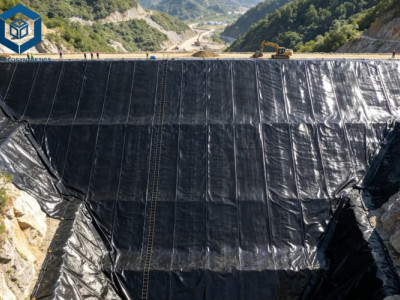
In industrial, mining, and waste containment applications, exposure to highly alkaline conditions—such as those found in bauxite residue (red mud), cement kiln dust, and certain chemical process streams—poses a significant challenge to the long-term integrity of geomembrane liners. Understanding
2026/07/21 09:32
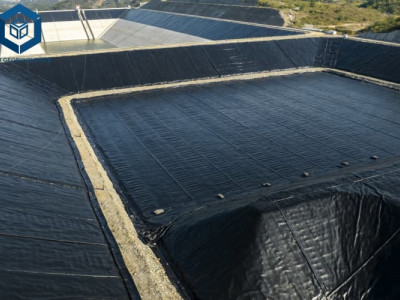
The safe and efficient handling of large geomembrane rolls is a critical operational requirement on major containment projects. Lifting equipment for large geomembrane rolls encompasses a range of specialized machinery and attachments designed to move rolls weighing up to 4,000 kg without damaging
2026/07/20 14:50
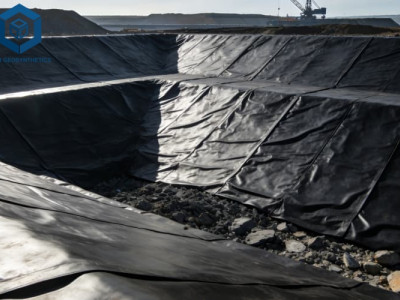
For international shipments of geosynthetic materials, the packaging system is the primary defense against damage during transit. Export packaging standards for geosynthetics define the engineering requirements for protecting geomembrane rolls from moisture, UV radiation, physical impacts, and
2026/07/20 14:47
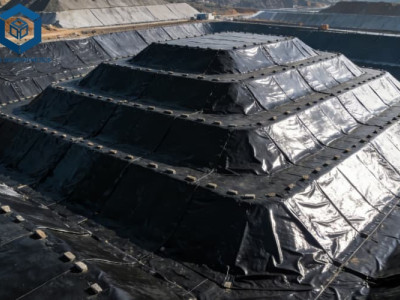
For international geomembrane shipments, roll deformation is a significant risk that can render large portions of liner unusable and cause costly project delays. Preventing roll deformation during long distance shipping requires a systematic approach to packaging, loading, securing, and handling
2026/07/20 14:44
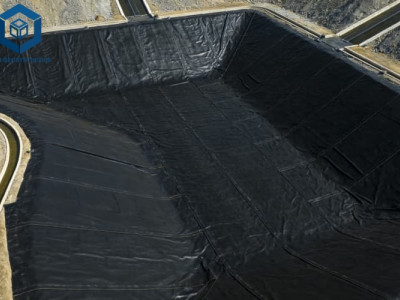
Proper warehouse storage is essential for preserving the quality and performance of HDPE geomembrane liners between manufacturing and installation. Warehouse storage recommendations for HDPE liners encompass environmental controls, handling procedures, and inventory management practices that
2026/07/18 09:33
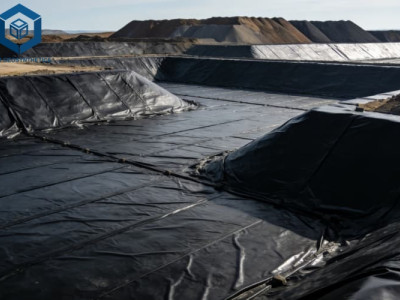
For international geomembrane shipments, efficient and damage-free container loading is essential for protecting the material and optimizing logistics costs. Container loading methods for geomembrane exports involve the systematic placement and securing of geomembrane rolls within standard shipping
2026/07/18 09:32
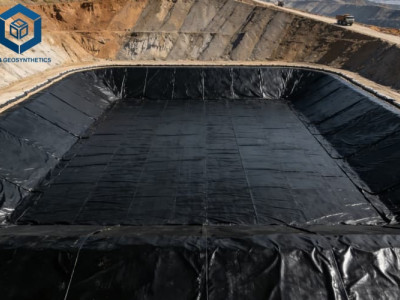
The safe and damage-free transport of geomembrane rolls from the manufacturing facility to the project site is a critical logistics function that directly impacts material quality and installation success. Protecting geomembrane materials during transportation requires a systematic approach to
2026/07/18 09:26
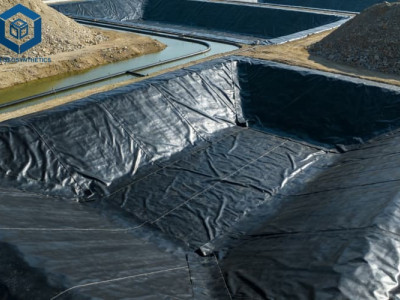
The safe and efficient handling of heavy geomembrane rolls is a critical operational challenge on large-scale containment projects. Handling heavy geomembrane rolls on construction sites requires a combination of appropriate lifting equipment, trained personnel, and well-defined procedures to
2026/07/17 09:54
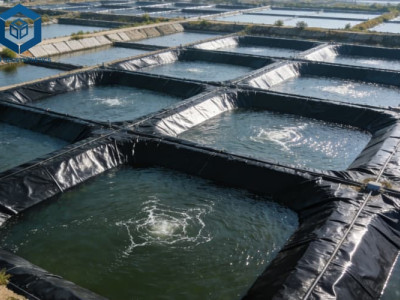
The quality and performance of a geomembrane liner are determined not only by its manufacturing but also by how it is stored between delivery and installation. Proper storage conditions for geomembrane rolls are essential for preventing UV degradation, moisture absorption, mechanical damage, and
2026/07/17 09:52
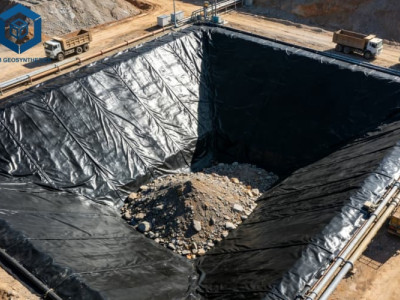
The safe and damage-free unloading of geomembrane rolls at the job site is a critical first step in any successful containment project. Unloading geomembrane rolls without causing damage requires careful planning, appropriate handling equipment, and trained personnel who understand the material's
2026/07/17 09:45
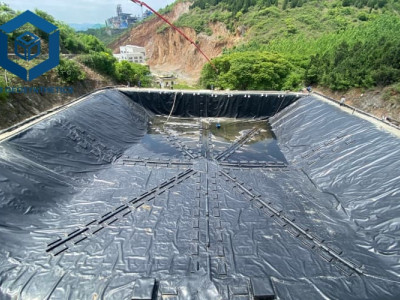
When you need a reliable liner for your pond, canal, or landfill, PVC geomembrane is a smart choice. It is flexible, durable, and cost-effective. In this review, I will introduce the 6 best PVC geomembrane products on the market. I will describe each one in detail. I will also explain why BPM
2026/07/17 08:24
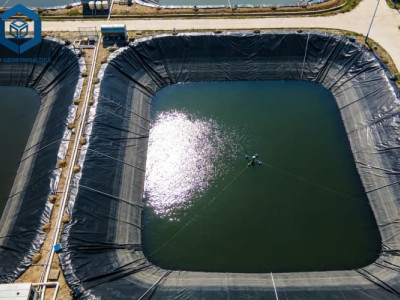
For large-scale civil and environmental projects, the safe and reliable delivery of HDPE geomembrane rolls to global job sites is a critical logistics challenge. How HDPE geomembrane rolls are packaged for export directly impacts the material's condition upon arrival—affecting seam quality,
2026/07/16 09:51